















Inorganic Chemistry
CAS: 7779-90-9
Zinc Phosphate
Anti-corrosion pigment
Overview
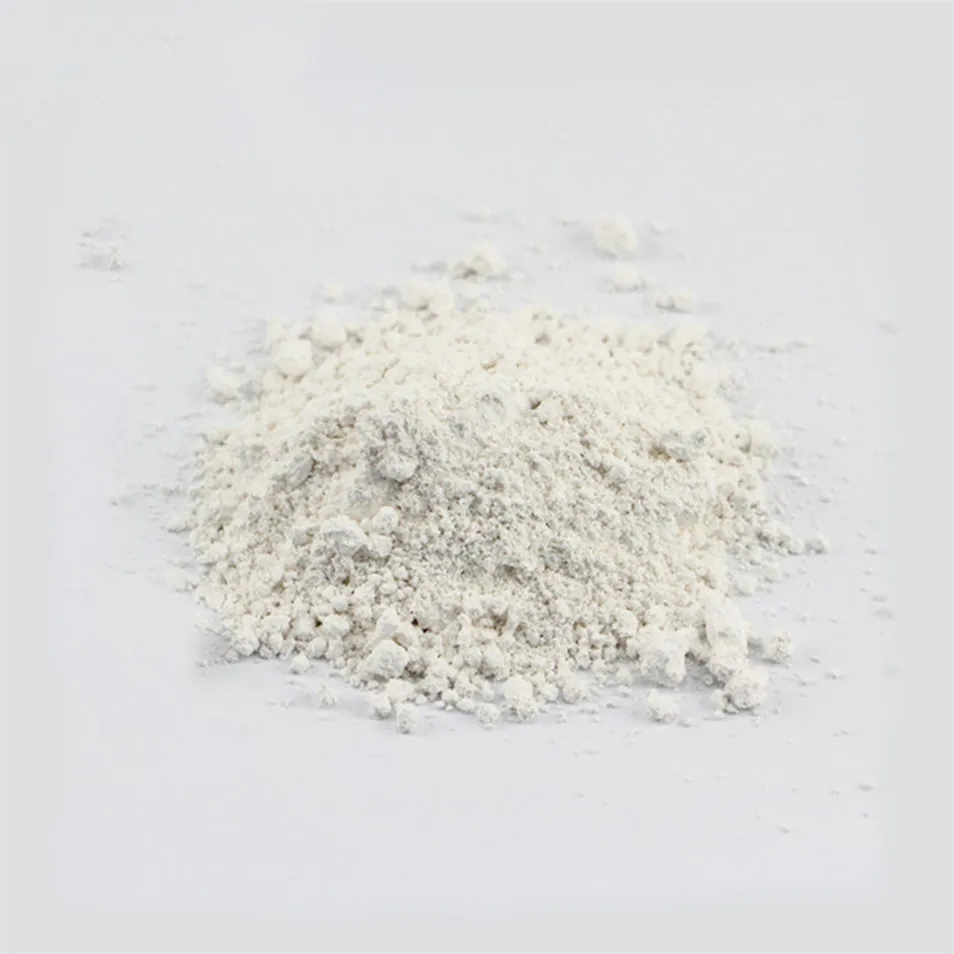
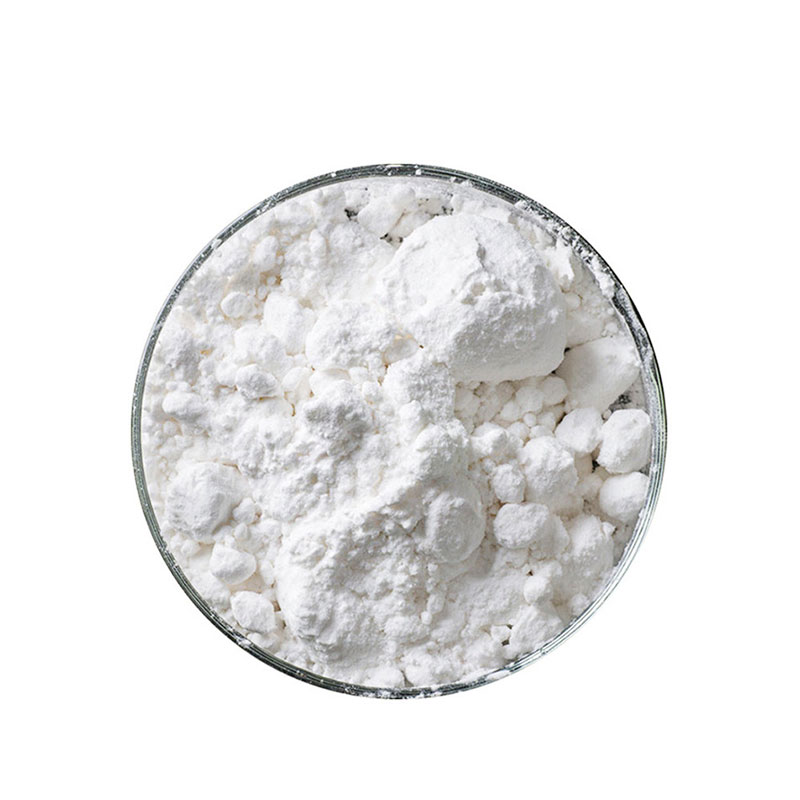
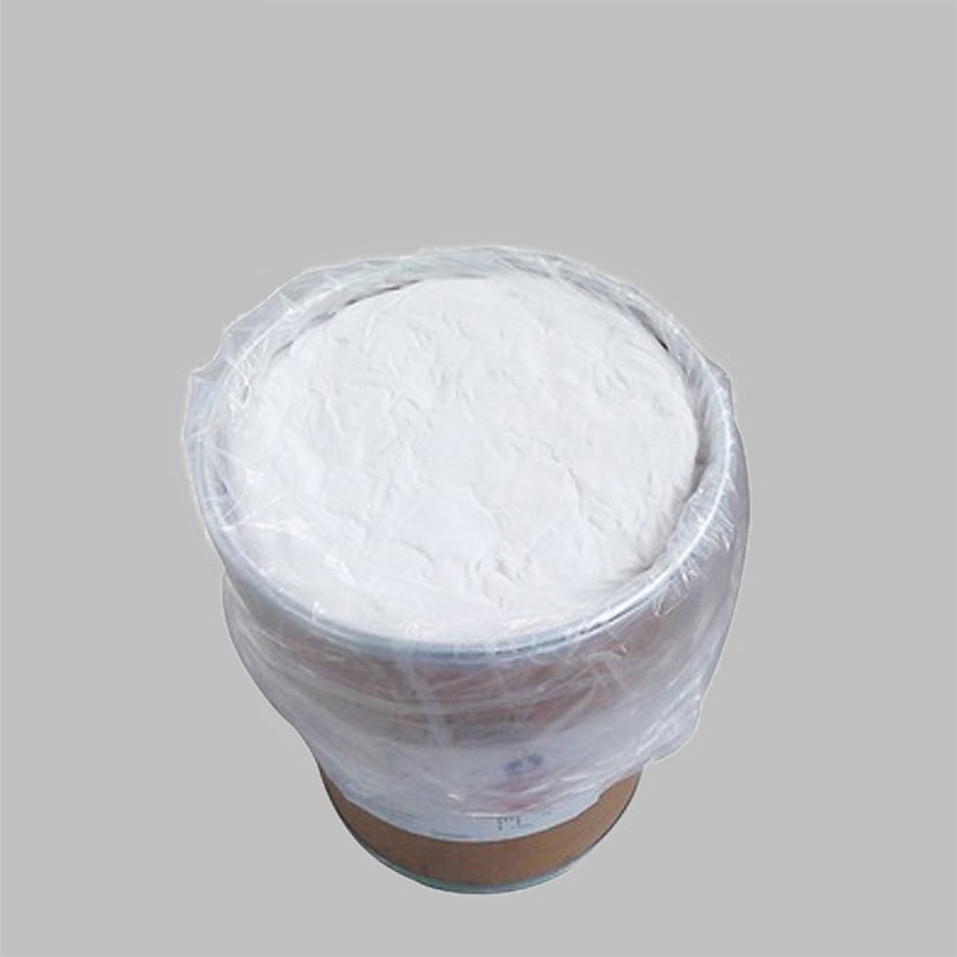
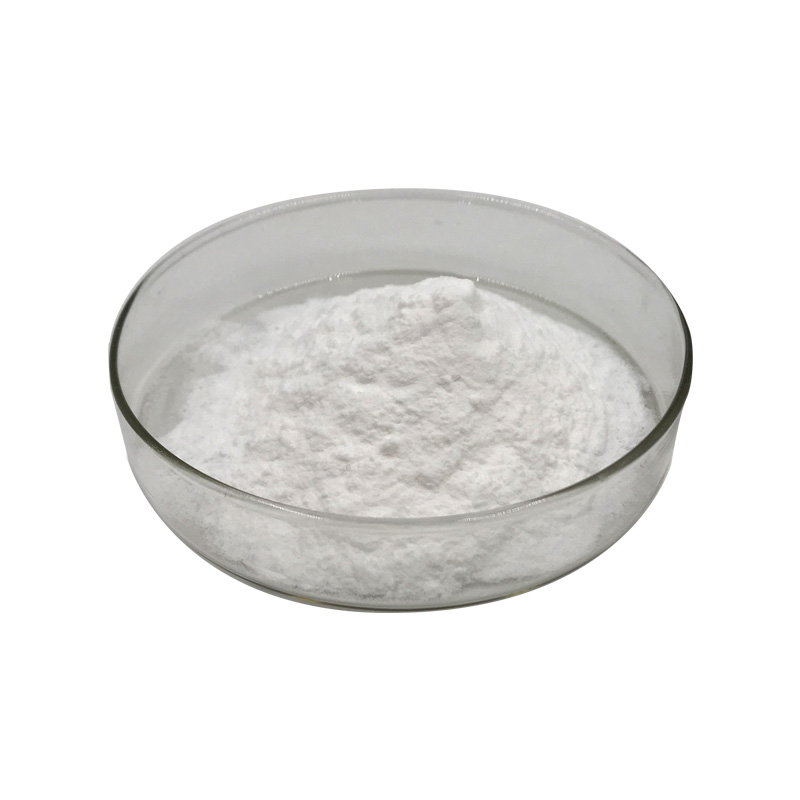
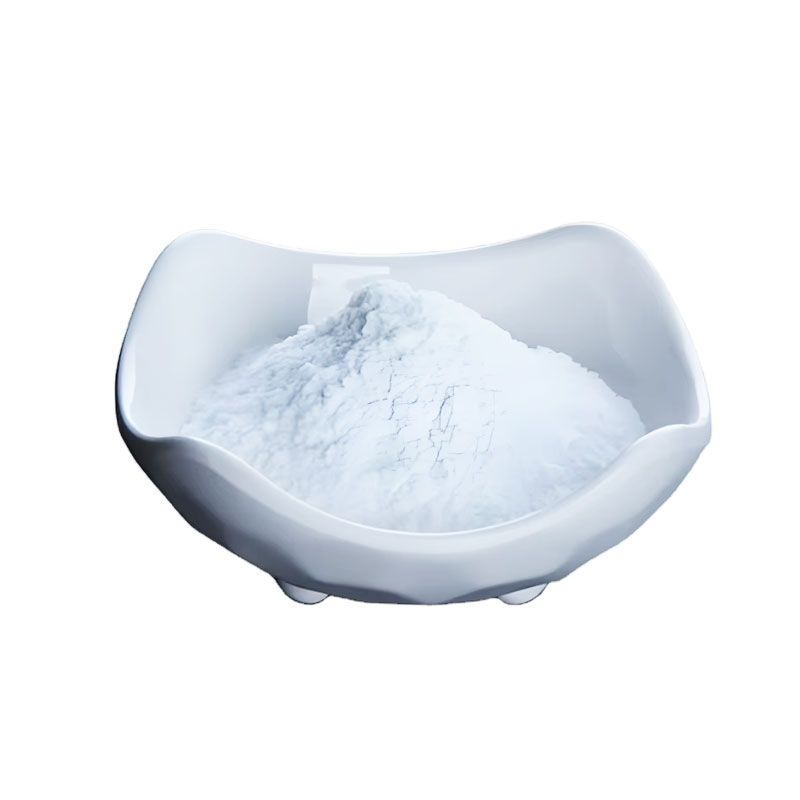
Zinc phosphate (Zn3(PO4)2) is an inorganic compound known for its wide-ranging applications across various industries. It is a white, odorless, and tasteless powder that is slightly soluble in water and completely insoluble in alcohol. This compound is relatively stable, showing resistance to heat and most common chemical reactions .
Zinc phosphate is typically synthesized by reacting zinc oxide (ZnO) with phosphoric acid (H3PO4) in an aqueous medium, producing zinc phosphate and water as byproducts. Another method involves the reaction of zinc with phosphoric acid, which also produces hydrogen gas along with zinc phosphate .
The compound has extensive applications due to its chemical stability and unique properties. It is used as a corrosion inhibitor in the metal industry, forming a protective layer on metal surfaces. In dentistry, zinc phosphate serves as a temporary dental cement, securing crowns, bridges, and orthodontic appliances due to its biocompatibility and bonding capability. It is also a common ingredient in paint and coatings, leveraging its anti-corrosion properties for coating iron and steel surfaces .
Furthermore, zinc phosphate is being explored for its potential use in the production of fertilizers, flame retardants, and in glass manufacturing. It shows promise as a micronutrient in fertilizers, given zinc’s essential role in plant growth. Its thermal stability also makes it a candidate for use as a flame retardant in certain applications .
From a safety perspective, zinc phosphate is generally considered to be of low toxicity. However, it can cause irritation if it comes into contact with the skin or eyes, and should be handled with appropriate safety precautions. Environmentally, it is not classified as a hazardous substance, but its use and disposal should be managed responsibly to minimize potential harm .
Physical & Chemical Properties
| Molecular Formula | O8P2Zn3 |
| Appearance | White Power |
| Density | 4.0 g/mL (lit.) |
| Quality Standard | Melting Point: 900 °C (lit.) |
Available Documents
COA
MSDS / SDS
TDS
COO
 Get in Touch