

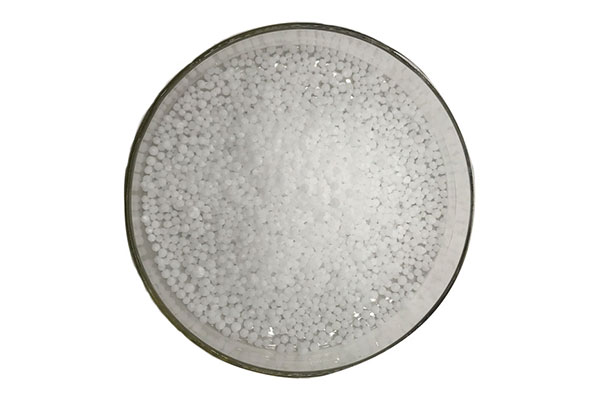
Organic Chemistry
CAS: 77-92-9
Citric Acid
Overview
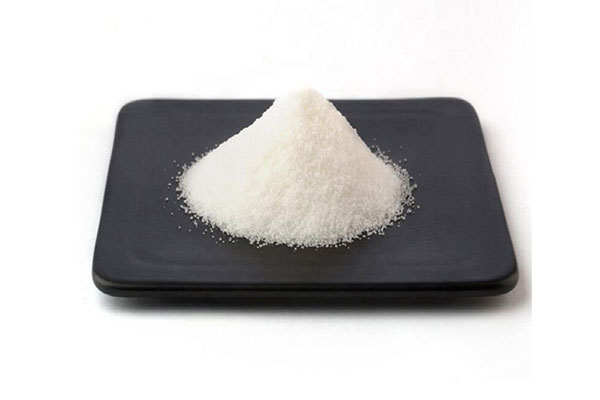
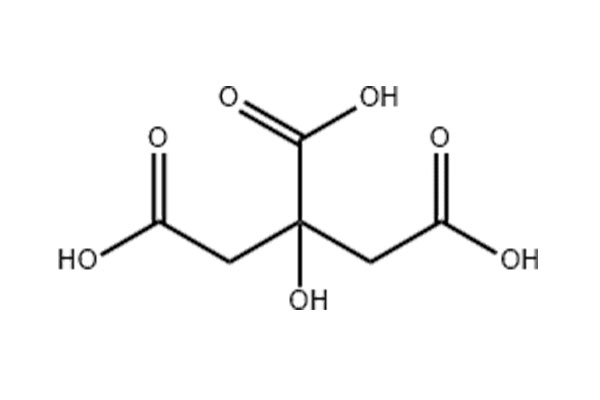
Citric acid is a white, crystalline, weak organic acid present in most plants and many animals as an intermediate in cellular respiration. Citric acid contains three carboxyl groups making it a carboxylic, more specifically a tricarboxylic, acid.the name citrus originates from the Greek kedromelon meaning apple of melon for the fruit citron. Greek works mention kitron, kitrion, or kitreos for citron fruit, which is an oblong fruit several inches long from the scrublike tree Citrus medica. Lemons and limes have high citric acid content, which may account for up to 8% of the fruit’s dry weight.
Physical & Chemical Properties
| Molecular Formula | C6H8O7 |
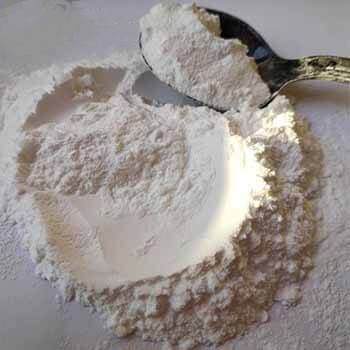
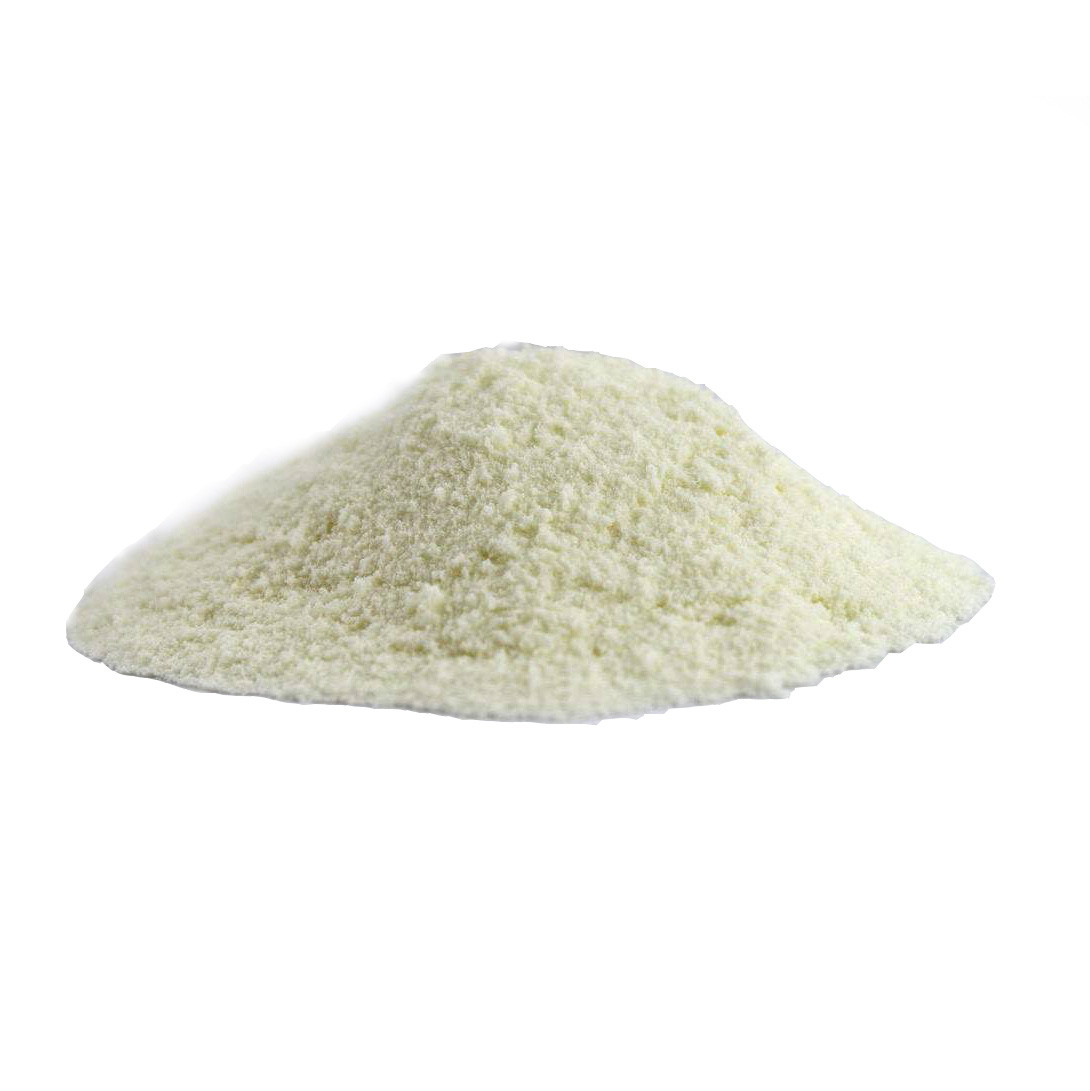
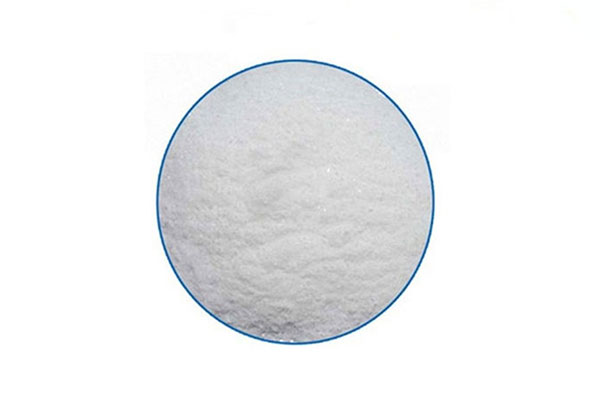
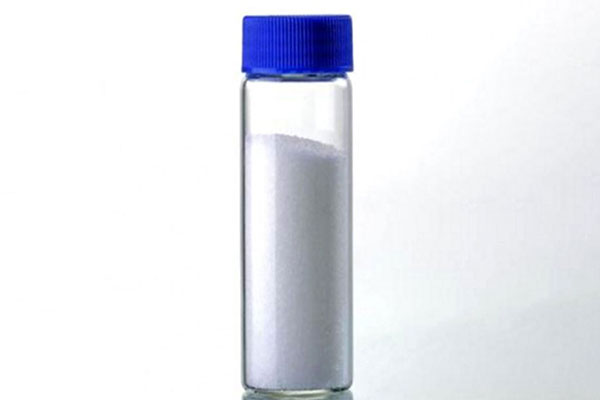
| Appearance | White Crystalline |
| Boiling Point | 248.08°C (rough estimate) |
| Density | 1.67 g/cm3 at 20 °C |
| Quality Standard | Melting Point: 153-159 °C (lit.); Vapor Pressure: <0.1 hPa (20 °C); Vapor Density: 7.26 (vs air); Refractive Index: 1.493~1.509; Solubility: Citric acid also dissolves in absolute (anhydrous) ethanol (76 parts of citric acid per 100 parts of ethanol) at 15 °C. |
Packaging Options
Packaging Method:25kg Cardboard Drum/Yellow Kraft Paper Bag
Available Documents
COA
MSDS / SDS
TDS
COO
 Get in Touch